
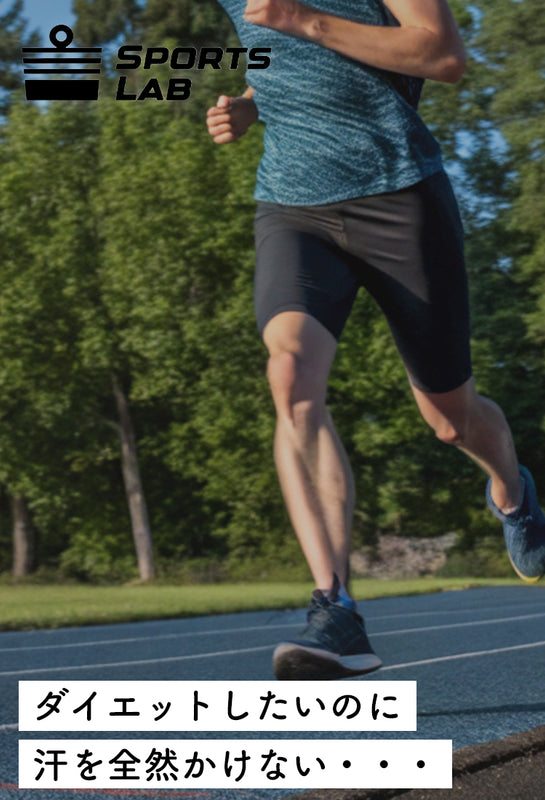
Many people who start exercising to lose weight feel like they can't sweat at all. The inability to sweat is not just a matter of physical constitution; it is also related to a variety of factors, including metabolic function, autonomic nervous system function, and lifestyle disorders.
In this column, we will explain from a professional perspective why you can't sweat and how to develop sweating habits that are good for dieting.


1. Causes and reasons for not being able to sweat

There are several factors that contribute to the inability to sweat.

(1) Lack of exercise intensity

A certain level of exercise intensity is required to raise body temperature. For example, walking alone does not raise core body temperature enough to trigger a sweating response.

(2) Lack of muscle mass

Skeletal muscle is the central tissue for heat production. If you have little muscle mass, your basal metabolic rate will be low and you will not be able to generate heat, which may prevent you from sweating.

(3) Water and electrolyte deficiency

When the body is dehydrated, sweating is suppressed to maintain homeostasis. This is especially important when consuming caffeine, which has a strong diuretic effect, or when following a diet that involves restricting fluid intake.

(4) Decreased autonomic nervous function

When the autonomic nervous system is disrupted by stress, lack of sleep, or poor nutrition, the thermoregulatory center becomes less responsive, making it difficult to sweat. This is also related to sensitivity to cold, which is common among women.

(5) Deactivation of sweat glands

If you live a life where you hardly sweat for many years, the activity of your sweat glands may slow down, making it difficult to sweat at all.

2. How to sweat properly for dieting

When you sweat, you lose water weight and lose weight, which makes you feel like you've lost weight. However, this does not lead to fat burning, so sweating itself is not important. When dieting, it is important to burn fat easily and have an active metabolism, so the key to dieting is to develop lifestyle habits that promote thermogenesis and sweating (a body that is prone to sweating).

Exercise: It is recommended to continue moderate to high intensity aerobic exercise (e.g., jogging, high-intensity interval training, etc.) at least three times a week. Exercise is effective in increasing metabolism and body temperature, and is also effective in activating sweat glands (Su Meihua et al. 2023).

Nutrition: Avoid extreme restrictions on carbohydrates and lipids, which are energy sources, and aim for a balanced diet centered on protein. Also, be sure to consciously consume foods containing minerals such as sodium, magnesium, and potassium (miso soup, seaweed, fruits, etc.) (see the Dietary Reference Intakes for Japanese, 2025 edition).

- Lifestyle: It is important to improve your ability to regulate your core body temperature and autonomic nervous system by taking advantage of the thermal effects of half-body baths and foot baths, stretching before bed, and getting into the habit of drinking hot water.

summary

A body that doesn't sweat isn't just a problem of having difficulty burning fat; it's also a sign of a decline in metabolism, the autonomic nervous system, and fluid regulation. The important thing isn't to "sweat a lot," but to aim for a "body that sweats naturally." By adjusting your exercise, nutrition, and lifestyle habits, you can use sweating to your advantage and achieve a healthy diet!

....
Author
Ryo Takahashi, Physical Therapist at Ikejiri-Ohashi Sera Clinic

Supervision
Dr. Yasushi Sera, Ikejiri-Ohashi Sera Clinic

Ikejiri-Ohashi Sera Clinic https://sera-clinic.com/